Yuzu Tres Leches
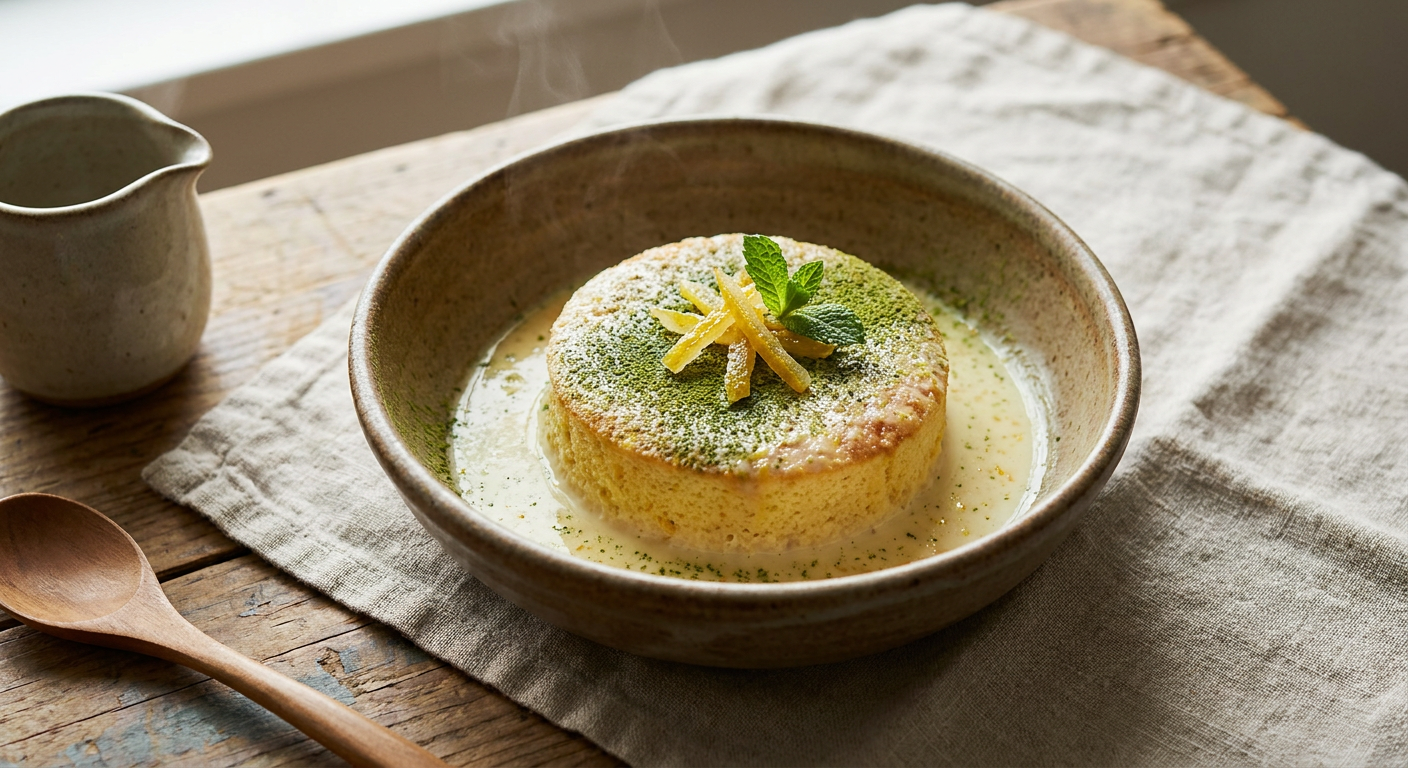
The fusion thesis in one dessert: tres leches is already a sponge engineered to drink, and yuzu is the citrus that behaves like a perfume. Japan supplies the acid, Latin America supplies the cake, and neither side has to stretch. The authentic tres leches procedure is preserved exactly; the yuzu simply replaces the cinnamon-and-vanilla accent with something more aromatic.
- **Room temperature eggs, cold cream.** The sponge needs volume from whipped yolks and whites; the topping cream whips best cold. Zest the yuzu before juicing — a microplane catches the yellow outer skin only; the white pith below is bitter.
- **The bridge:** fresh yuzu appears in winter at Japanese and Korean groceries; bottled yuzu juice (not yuzu "tea," which is a sweet marmalade) is the year-round answer. Lemon plus a little orange zest is the last-resort substitute — you lose yuzu's floral bitterness, which is exactly the Japanese note, so call it a lemon tres leches and make it proudly.
Yuzu Tres Leches
Prep: 30 minutes · Cook: 35 minutes · Total: About 1 hour 15 minutes, plus overnight rest · Serves 8
Ingredients
The sponge
- 5 eggs (about 250 g), separated; 150 g sugar, divided
- 120 g plain flour, sifted; ½ tsp baking powder
- 60 ml whole milk; ½ tsp salt
The three (yuzu) milks
- 300 ml evaporated milk
- 300 ml sweetened condensed milk
- 150 ml heavy cream
- 4 tbsp yuzu juice (about 3 fruits) plus the zest of 1, or 1 tbsp bottled yuzu juice plus extra zest
The top
- 150 ml heavy cream (about 145 g), whipped to soft peaks with 1 tbsp sugar
- Candied yuzu peel or a fine grate of fresh zest
Instructions
- **Bake the sponge (35 minutes at 170 °C).** Whip yolks with half the sugar to pale ribbons. Whip whites with the salt and remaining sugar to glossy peaks. Fold a third of the whites into the yolks, then alternate flour and milk fold-ins, then fold in the remaining whites gently. Bake in a lined 20×25 cm pan until golden and springy. Checkpoint — the cake should be airy but not dry — a traditional tres leches sponge is baked slightly under-sweet and low-fat on purpose, because it is about to absorb a half-liter of liquid. A skewer comes out with a crumb or two, not wet batter.
- **Soak — warm cake, cool milk.** Let the cake cool 10 minutes, then poke it all over with a chopstick (40–50 holes, to the bottom). Whisk the three milks with the yuzu juice and half the zest. Pour slowly over the whole cake — it will look flooded; that is correct — and let it absorb for at least 4 hours, preferably overnight, in the fridge. Checkpoint — after resting, tilt the pan: there should be barely any free liquid left, and a spoon pressed on the cake should release milk rather than air. The chopstick holes are the channels — if the top stays dry in patches, pour a spoon of the pooled milk directly onto them.
- **Top and serve.** Spread the softly whipped cream in a loose layer — tres leches is traditionally frosted casually — and finish with candied peel or the fresh zest. Cut cold, wiping the knife between slices. Checkpoint — the slice should stand up (the milk is absorbed, not floating) and taste distinctly of yuzu at the finish — the sour should arrive after the sweet, not with it. That late-arranging acid is the whole reason yuzu works better here than lemon.
Troubleshooting
| Symptom | Cause | Fix |
|---|---|---|
| Cake floats in liquid after overnight | Holes too few, cake too dense | 40+ chopstick holes to the bottom; don't over-fold the flour |
| Soak tastes flat, just sweet | Not enough yuzu, or added zest too little | Zest carries the perfume — steep zest in the milk 20 minutes first |
| Slice collapses on cutting | Cut too soon after soaking | Overnight minimum; cut cold from the fridge |
Storage, Make-Ahead & Variations
- Keeps 3 days refrigerated; the soak deepens on day two, and the cream is best refreshed with a second spread on day three if needed. - The same formula rotates through the site's other citrus: matcha powder sifted into the cream (2 tsp) for a green tea version, or bottled yuzu plus a spoon of yuzu kosho for a bitter, adult version.